How to Choose the Right Shotcrete Mix Design for Your Project
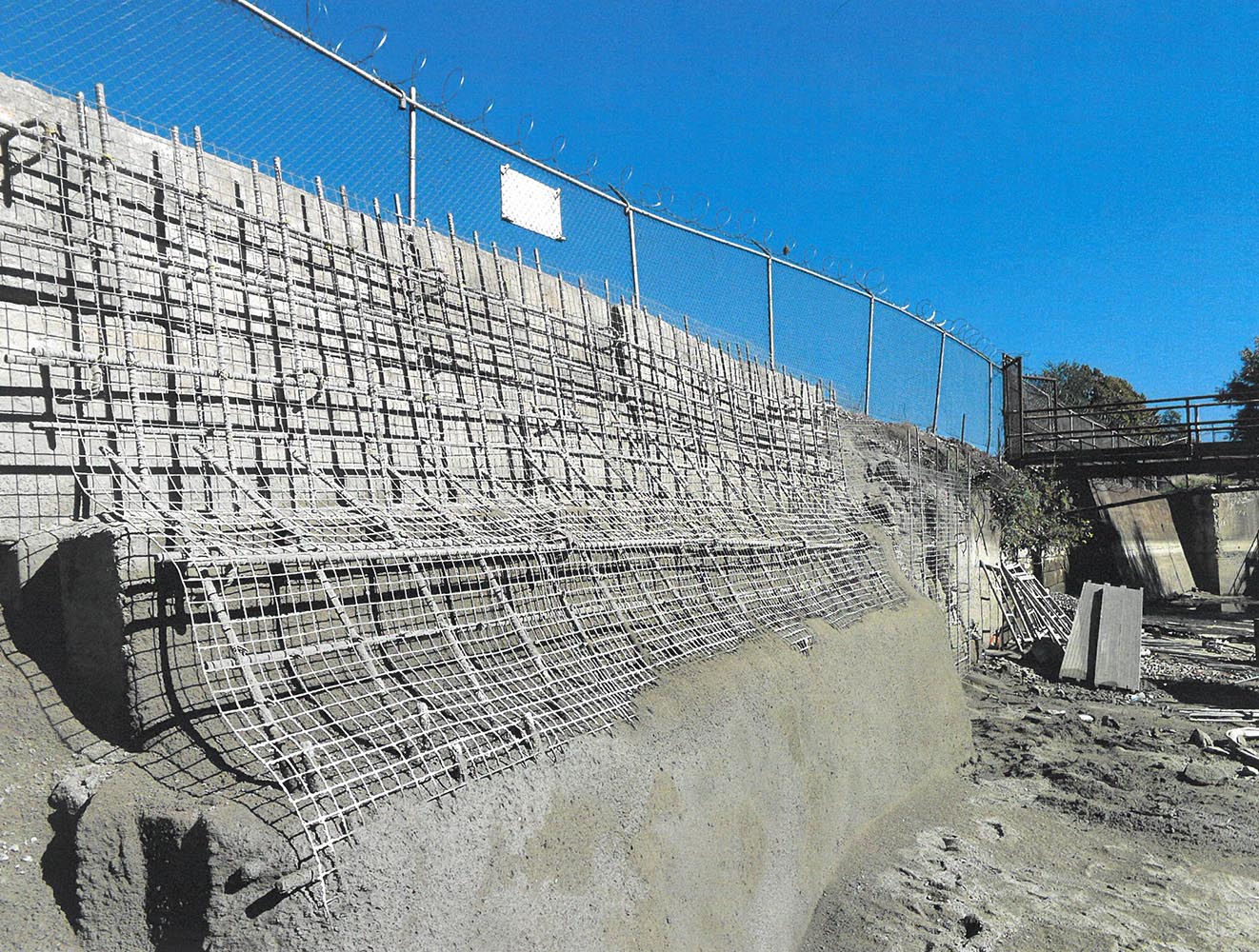
Selecting the correct shotcrete mix design is a pivotal decision that can make or break the foundation, structural repair, or reinforcement work you undertake. It’s not simply “concrete sprayed on a surface.” The mix design must account for local climate, load demands, substrate conditions, water exposure, and the long-term performance expectations of the structure. At Shotcrete Contractors Inc., we believe that a well-engineered mix is the foundation of any successful shotcrete application. In this article, we walk you through the key considerations, common mix options, performance factors, and decision-making tips to help ensure that your next shotcrete project meets or exceeds expectations.
What Is Shotcrete Mix Design?
A shotcrete mix design is the specific “recipe” for pneumatically applied concrete. It sets the proportions of cement, aggregates, water, admixtures, fibers, and any supplementary cementitious materials (SCMs) to achieve workability, cohesion, strength, durability, and strong bond with the substrate—while remaining highly sprayable for vertical and overhead placements.
Unlike standard cast-in-place concrete, shotcrete must adhere to steep or inverted surfaces, resist rebound, compact under high velocity, and endure demanding environments. The mix is tailored to meet these challenges.
Key Factors in Choosing a Shotcrete Mix Design
Local Climate & Environmental Conditions: Temperature swings, humidity, precipitation, and freeze–thaw cycles drive choices like air entrainment, low-permeability blends, or set retarders. We tune mixes for Tennessee’s seasons.
Load Demands & Structural Requirements: Target compressive/flexural strength and toughness vary for foundations, retaining walls, tunnels, and repairs—defined with the structural engineer.
Substrate and Surface Conditions: Rock, old concrete, masonry, or soil each affect adhesion and bond. Additives (e.g., silica fume/microsilica, bonding aids) are selected to minimize delamination.
Water Exposure & Durability Needs: Below-grade or wet environments may call for SCMs (fly ash/slag), waterproofing admixtures, crystalline additives, and tighter particle packing for low permeability and sulfate/chloride resistance.
Sprayability & Application Requirements: Proper gradation, rheology, and moisture control ensure pumpability, low rebound, and good consolidation. Fibers (steel/synthetic) aid crack control without sacrificing flow.
Common Shotcrete Mix Types & Their Uses
High-Strength Structural Mixes: 6,000–10,000+ psi targets with shrinkage control, bond promoters, and optional fibers for load-bearing elements and structural repairs.
Fiber-Reinforced Shotcrete: Steel or synthetic fibers improve toughness and reduce cracking; common for tunnels, slopes, and overlays.
Lightweight Shotcrete: Expanded aggregates (e.g., shale/perlite) reduce dead load for bridge parapets, architectural features, and overhead work.
Water-Resistant/Waterproof Mixes: Crystalline agents, waterproofing admixtures, and optimized packing combat moisture ingress in subterranean or wet settings.
Repair/Retrofit Mixes: Formulated for adhesion, shrinkage control, and compatibility when patching or overlaying existing concrete.
Each mix has trade-offs—for example, lightweight blends typically won’t reach the highest compressive strengths of dense structural mixes. The goal is balancing performance to match project objectives.
Performance Testing & Quality Assurance
Slump & Rheology Tests: Confirm field consistency with the lab design.
Compressive Strength: Break tests at 7, 28, and sometimes 56 days.
Bond/Pull-Off Testing: Vital for rehabilitation overlays and patches.
Rebound Monitoring: Tracks waste and adhesion effectiveness.
Thickness/Coverage Verification: Ensures uniform, specified build.
Best Practices for Implementation
Mock-Up Panels: Validate appearance, texture, adhesion, and performance before full production so owners can approve finish and behavior.
Proper Surface Preparation: Clean, roughen, and pre-wet per spec; even the best mix fails on a poorly prepared substrate.
Controlled Application Technique: Correct spray angle, nozzle distance, velocity, lift thickness, and compaction are critical to meet design intent.
Curing & Protection: Wet cure or curing compounds as conditions dictate; shield fresh shotcrete from sun, wind, and rain to develop full strength.
Monitoring & Maintenance: Periodic inspections for cracks, moisture tracking, or staining with timely preventative repairs (sealers/overlays).
Why Shotcrete Contractors Inc. Is Your Best Partner
We don’t just spray concrete—we engineer solutions. Our decades of experience, specialized equipment, and deep mix-design know-how, coupled with Tennessee climate and code familiarity, produce reliable outcomes.
Project-specific mix designs calibrated to your loads, environment, and substrate.
Robust QA/QC protocols that verify performance in the field—not just on paper.
Skilled crews trained in consistent, low-rebound application techniques.
Transparent communication from planning through close-out.
Long-term support with maintenance guidance and responsive service.
Build Stronger, Smarter, and More Durable Structures
Choosing the right shotcrete mix design is foundational to performance and longevity. Whether your project targets structural capacity, water resistance, or a specific architectural finish, your mix must align with site conditions and goals. Shotcrete Contractors Inc. blends engineering precision, field experience, and rigorous QC to make that alignment real. Ready to plan your shotcrete work? Contact us to select and validate the ideal mix design for your project.